
Why Perplexity Forgets Your Previous Searches
How Perplexity handles search history today
Every question opens or extends a thread, and threads are saved — you can scroll back through your Library and reopen any of them. What's missing is the connection: a new thread doesn't read your old ones. The context, sources, and conclusions from past searches stay locked inside their threads, invisible to the search you're running right now.
The technical reason it doesn't stick
Perplexity is built search-first: fast, fresh, disposable sessions optimized for answering the current question from the live web. There's no persistence layer that distills what you learned into memory the engine consults. Spaces narrow the problem — threads inside a Space share its files and instructions — but they don't make past threads queryable either.
What this costs a researcher
Repeated ground: you re-run searches you've already refined, and re-evaluate sources you already vetted. Lost synthesis: the conclusion you assembled across five threads exists nowhere except your own recall. And zero compounding: a hundred hours of research history produces no head start on hour one hundred and one.
Perplexity's Built-in Workarounds (and Where They Stop)
The Library
Your thread history is all there, scrollable and reopenable. As memory, it's an archive without retrieval: finding the right thread means remembering it exists, and nothing from it flows into new searches automatically.
Spaces
Grouping research into a Space per project adds shared files and custom instructions to every thread inside — the strongest built-in option. But Space threads still don't read each other, and the Space's knowledge stays walled off from the rest of your searches.
Continuing old threads
Reopening a thread keeps its context alive, so long-running topics can live in one thread. In practice that thread becomes an unsearchable scroll of months of mixed questions — the opposite of the quick-search workflow Perplexity is good at.
The shared wall: even perfectly organized, your research history lives inside one app. Ask Claude or ChatGPT to build on what you found, and you're pasting summaries by hand — the same underlying gap as Perplexity forgetting previous queries.
The Fix: Turn Your Search History Into a Real Memory
The durable move is to keep your research findings in a layer that every future search — and every other AI — can draw on. MemoryLake stores your accumulated research once: findings, vetted sources, reports, and data, parsed and searchable, versioned Git-style so you can see how conclusions evolved, and end-to-end encrypted so your research stays yours.
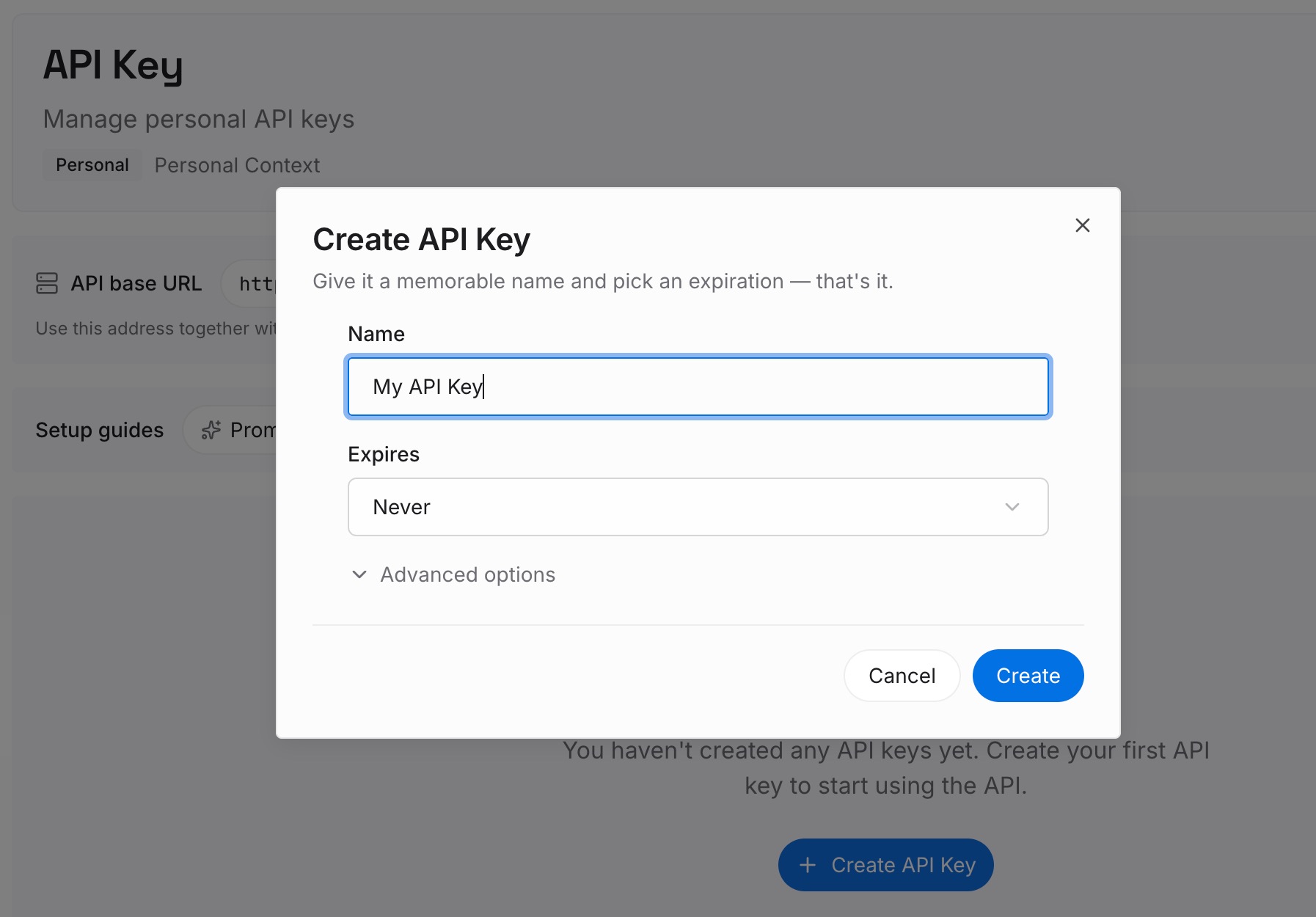
Step 1: Create an API key
Sign in to MemoryLake, generate a key, and make your first request — it takes about 30 seconds.
Step 2: Upload your first memories
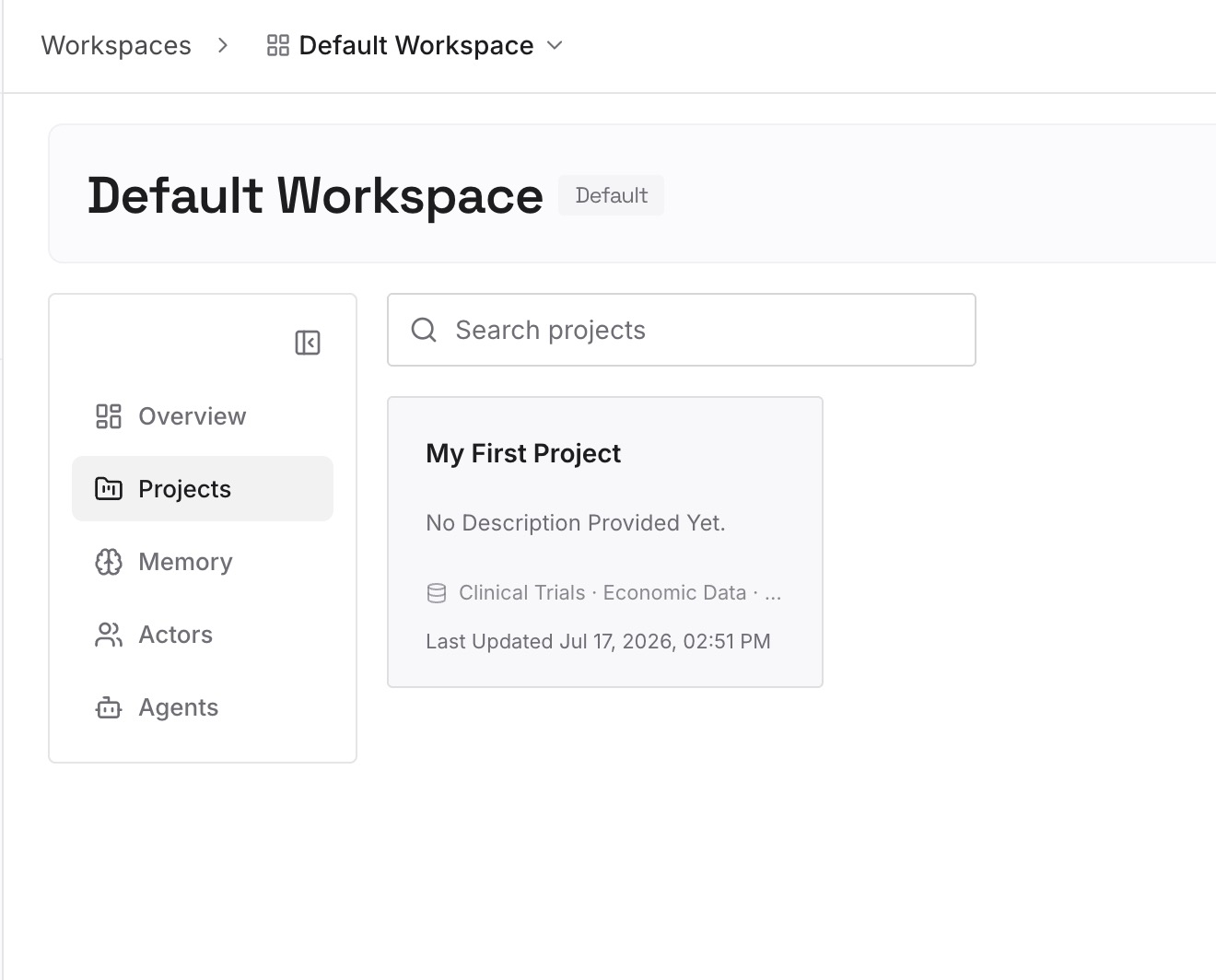
Drop in the documents, images, and other files behind your research — reports, datasets, source PDFs — and start capturing thread conclusions as short text memories: the question, the answer, the sources that held up.
Step 3: Connect your AI & agents
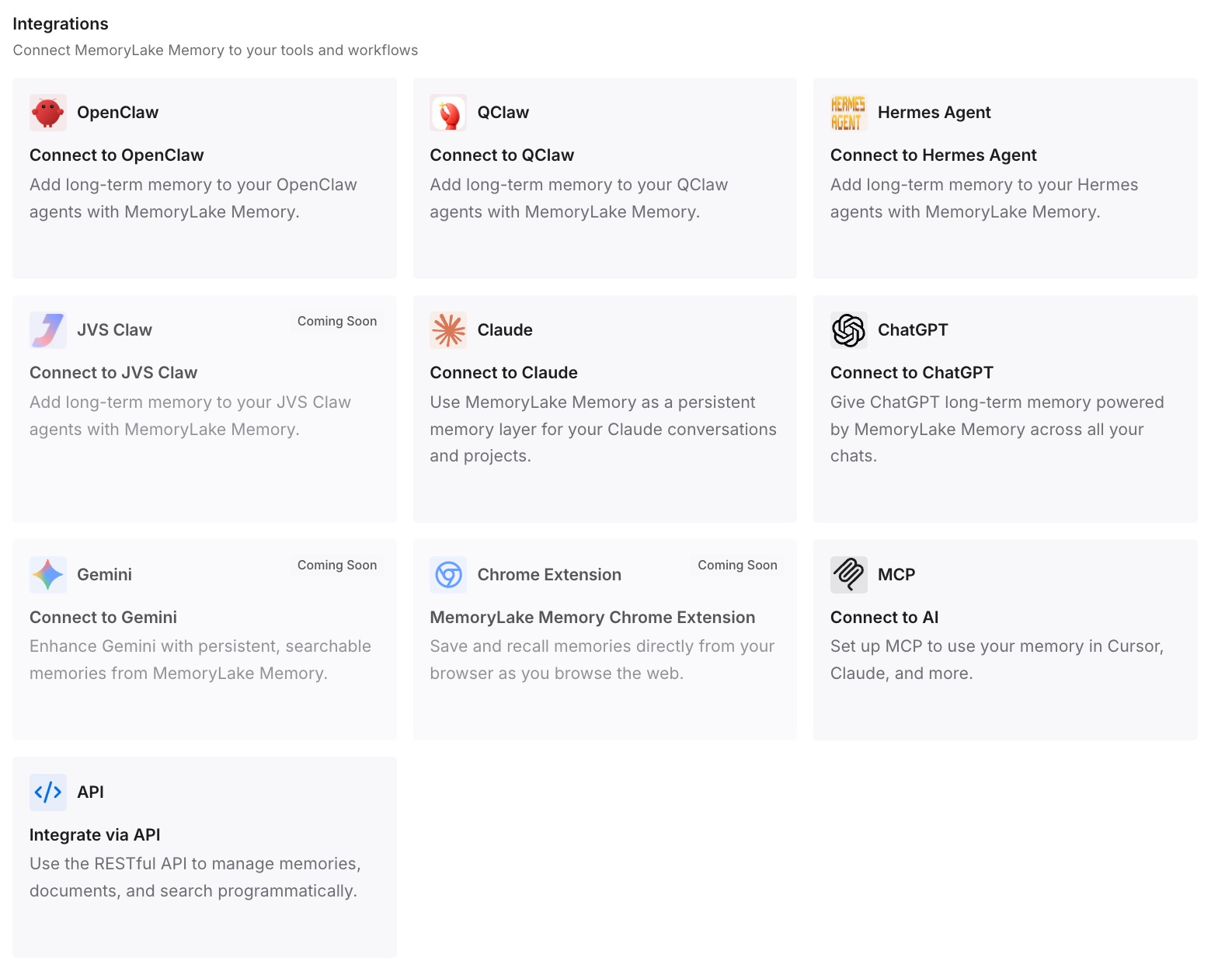
Perplexity has no MCP client today, so use the API: fetch the relevant memory with your key and include it in your prompt or research workflow, so new searches start from what you already know. The same memory is instantly available to Claude, Codex, OpenClaw, and other agents via MCP — your research compounds across every tool.
What Re-Searching Actually Costs
The repeat tax on knowledge work
Re-running refined searches, re-vetting known sources, and re-assembling past conclusions is invisible work — no output, pure duplication. For anyone doing recurring research, it quietly claims hours every week and grows with every new topic that overlaps an old one.
Compounding instead of repeating
With findings in a persistent layer, each new question starts from the accumulated base: retrieve the prior conclusion, verify what changed, extend it. Retrieval also keeps prompts lean in API workflows — MemoryLake's Token Saving Calculator shows the effect from your own numbers.
Best Practices for a Research Memory
Capture the conclusion, not the transcript
One dated memory per resolved question — finding, confidence, sources — is worth more than archiving whole threads. Distill at the moment you close the thread.
Keep sources attached to claims
Store the citation with the conclusion it supports. Future you will need to know not just what you found, but why you trusted it.
Scope by topic or client
One memory scope per research stream keeps retrieval clean and makes handing a topic to a colleague as simple as sharing access.
Conclusion
Perplexity is built to answer today's question brilliantly and forget it by tomorrow — the Library archives your searches, but archives aren't memory. Move your findings into a persistent layer and the relationship inverts: every past search makes the next one faster, in Perplexity and in every other AI you work with. Research should compound. Now it can.