
Quick Comparison: Best Memory Tools for Claude Users
| Tool | Best For | Key Strength | Pricing |
|---|---|---|---|
| **MemoryLake** | Portable, governed memory infrastructure | Easy-to-use persistent memory system | $19/month |
| **Mem0** | Developers building AI agents | Open-source memory framework | $19/month |
| **Supermemory** | Visual second brain for AI | Fast AI memory retrieval | $19/month |
| **Recall.ai** | AI data infrastructure | Meeting and conversation memory | $0.50/hr of recording |
| **Hindsight** | AI agent memory | Long-term contextual recall | Open source |
| **Claude Projects** | Claude-native organization | Built-in project context | $20/month |
| **Redis** | Developers needing fast storage | High-performance data layer | Usage-based |
| **Pinecone** | Vector search applications | Scalable semantic search | $20/month |
| **HydraDB** | AI database solutions | Flexible AI memory storage | $25/month |
| **Zep** | Enterprise AI memory | Production-ready memory platform | $125/month |
1. MemoryLake
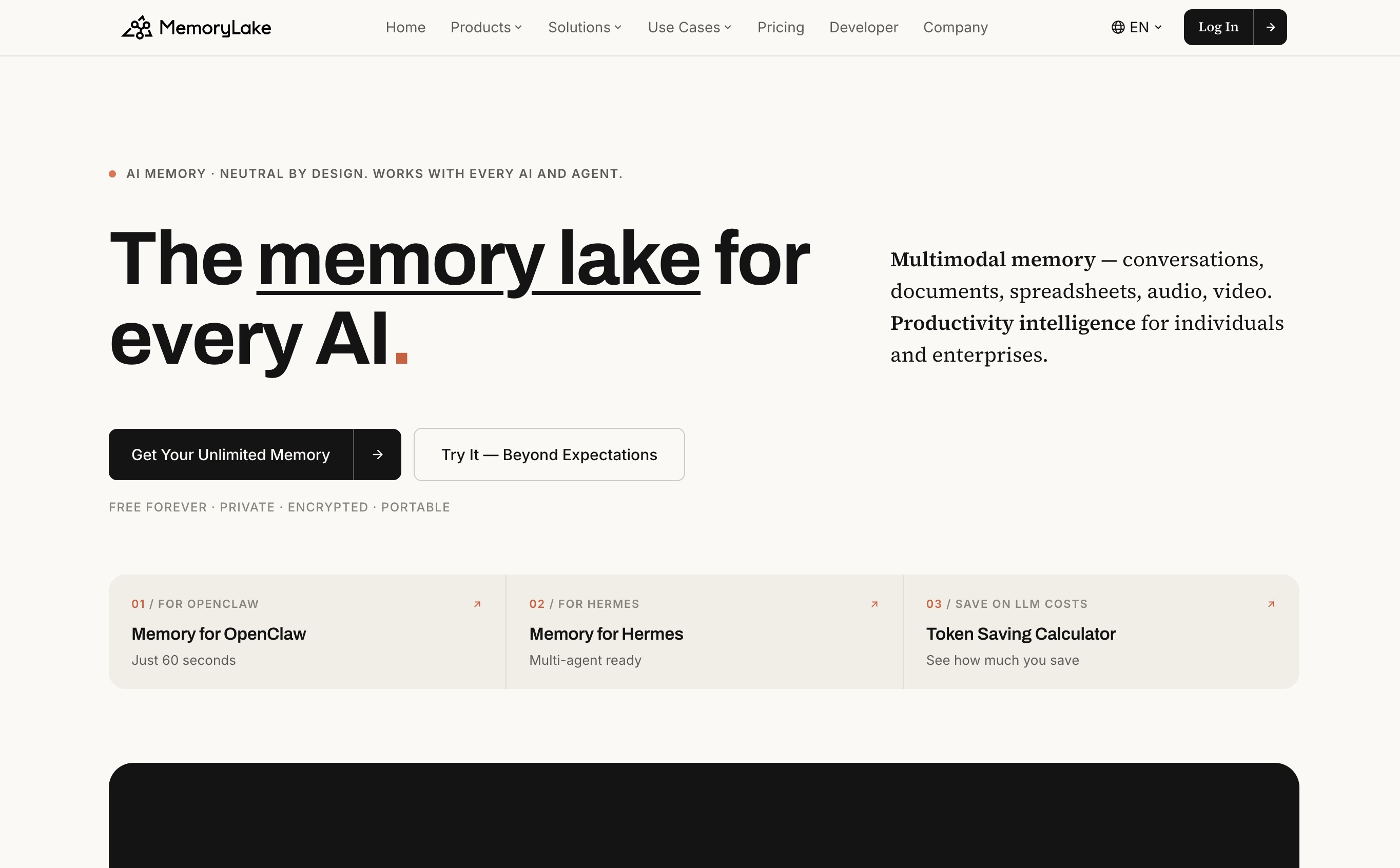
MemoryLake is a cross-model AI memory layer designed around a simple idea: your context should follow you, not stay inside one AI platform. As people increasingly use multiple AI assistants, keeping personal knowledge, documents, and workflows connected across different models has become a major challenge.
MemoryLake allows users to upload and organize various types of information, including PDFs, Word files, Excel spreadsheets, PowerPoint presentations, Markdown notes, and images. Users can group content into Projects, add Memories, and connect their knowledge with AI applications through an MCP Server.
Unlike vendor-controlled AI memory systems, MemoryLake gives users full ownership of their data. With end-to-end encryption, the provider cannot access user content, while Git-style versioning provides transparency and auditability. Whether you use Claude, other AI assistants, or build AI workflows, MemoryLake helps create a secure, portable, and personalized memory layer that works across platforms.
Key Features
- Cross-Model AI Memory
- Keeps your context, knowledge, and preferences available across different AI assistants instead of being locked into one platform.
- Multi-Format Knowledge Storage
- Supports documents, PDFs, spreadsheets, presentations, Markdown files, and images in one centralized memory system.
- Projects and Memories
- Organizes information into Projects and allows users to create structured Memories for better AI personalization.
Pros
- Works with multiple AI platforms, reducing dependency on a single provider.
- Gives users full ownership and control of their AI memory.
- Supports different file types for flexible knowledge management.
- Improves AI responses with personalized long-term context.
- Combines privacy, portability, and usability in one solution.
Cons
- MCP compatibility may vary across AI applications.
- Less suitable for users looking only for a simple short-term chatbot memory feature.
Pricing
MemoryLake offers free and paid plans depending on memory requirements and usage levels, paid plan starts at $19/month.
2. Mem0
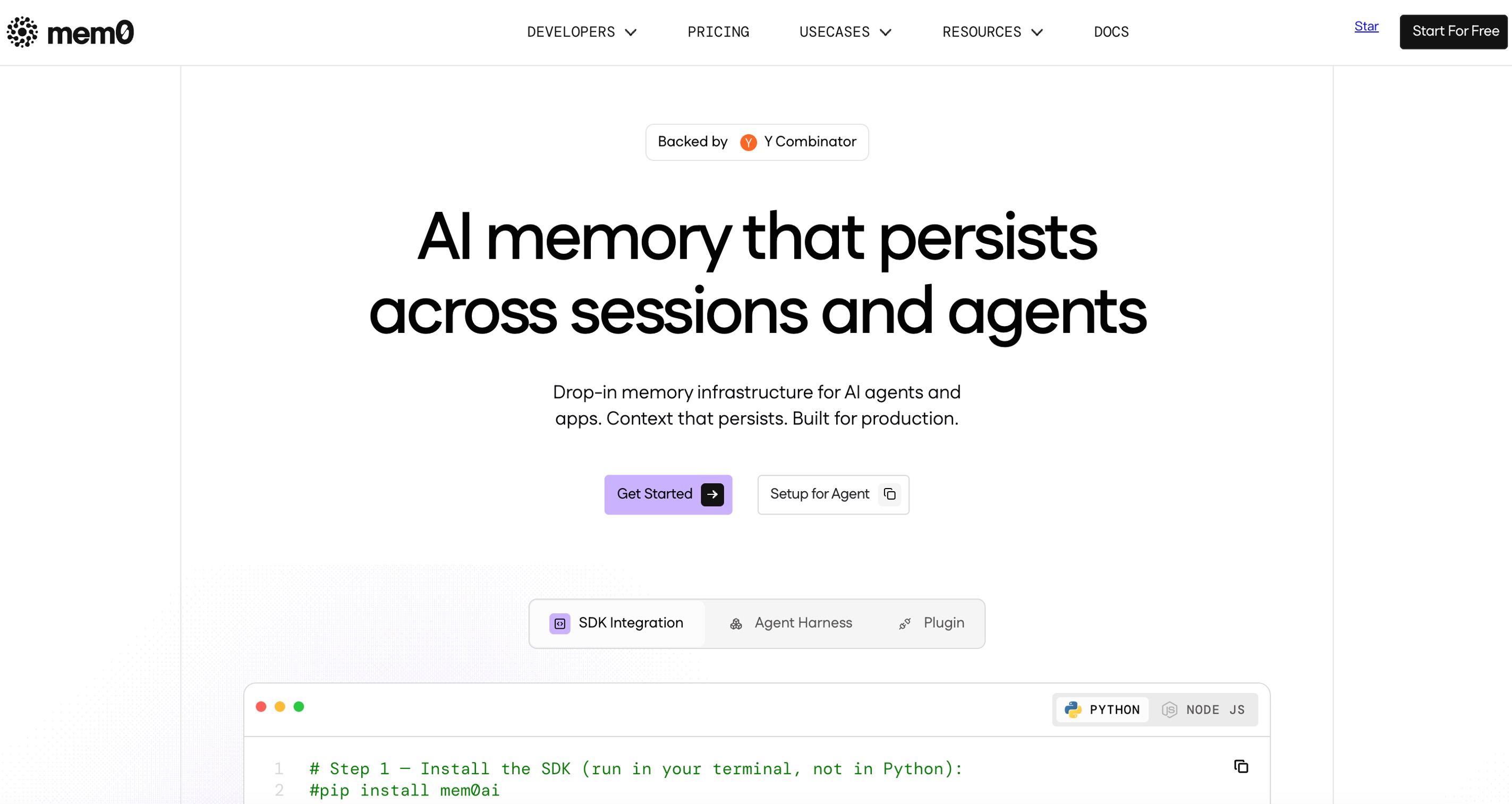
Mem0 is an memory layer designed for AI applications and autonomous agents. It helps developers add persistent memory capabilities to large language models by storing and retrieving relevant user information.
Key Features
- Supports multiple AI models and applications.
- Provides developer APIs for memory integration.
- Strong community support and rapid open-source development.
Pros
- Flexible customization.
- Strong developer community.
- Suitable for building AI agents.
Cons
- Requires technical knowledge.
- Less suitable for non-developers.
Pricing
Paid plan starts at $19/month.
3. Supermemory
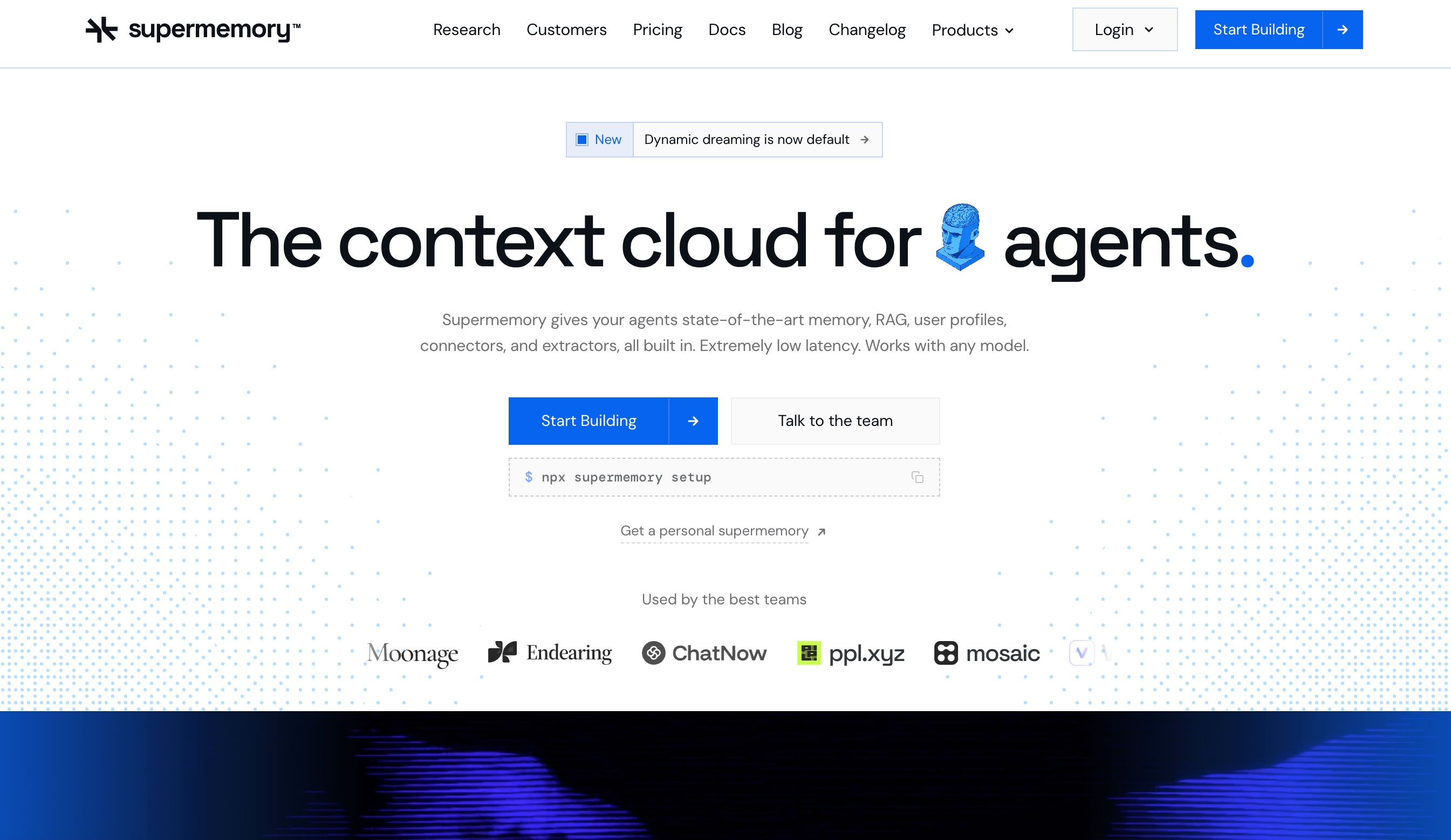
Supermemory positions itself as an open-source "second brain" for AI. While it is slightly more consumer- and generic-data-focused than pure devtools, it is often evaluated by developers building personal coding assistants. It provides a visual interface to save snippets, bookmarks, and markdown files, which the AI can then retrieve. It's essentially a managed memory layer with a strong UI component.
Key Features
- AI-powered knowledge retrieval.
- Document and information organization.
- Fast semantic search.
Pros
- Good for personal knowledge management.
- Simple interface.
- Useful for researchers and creators.
Cons
- Less focused specifically on Claude workflows.
- Advanced features may require paid plans.
Pricing
Start at $19/month.
4. Recall.ai
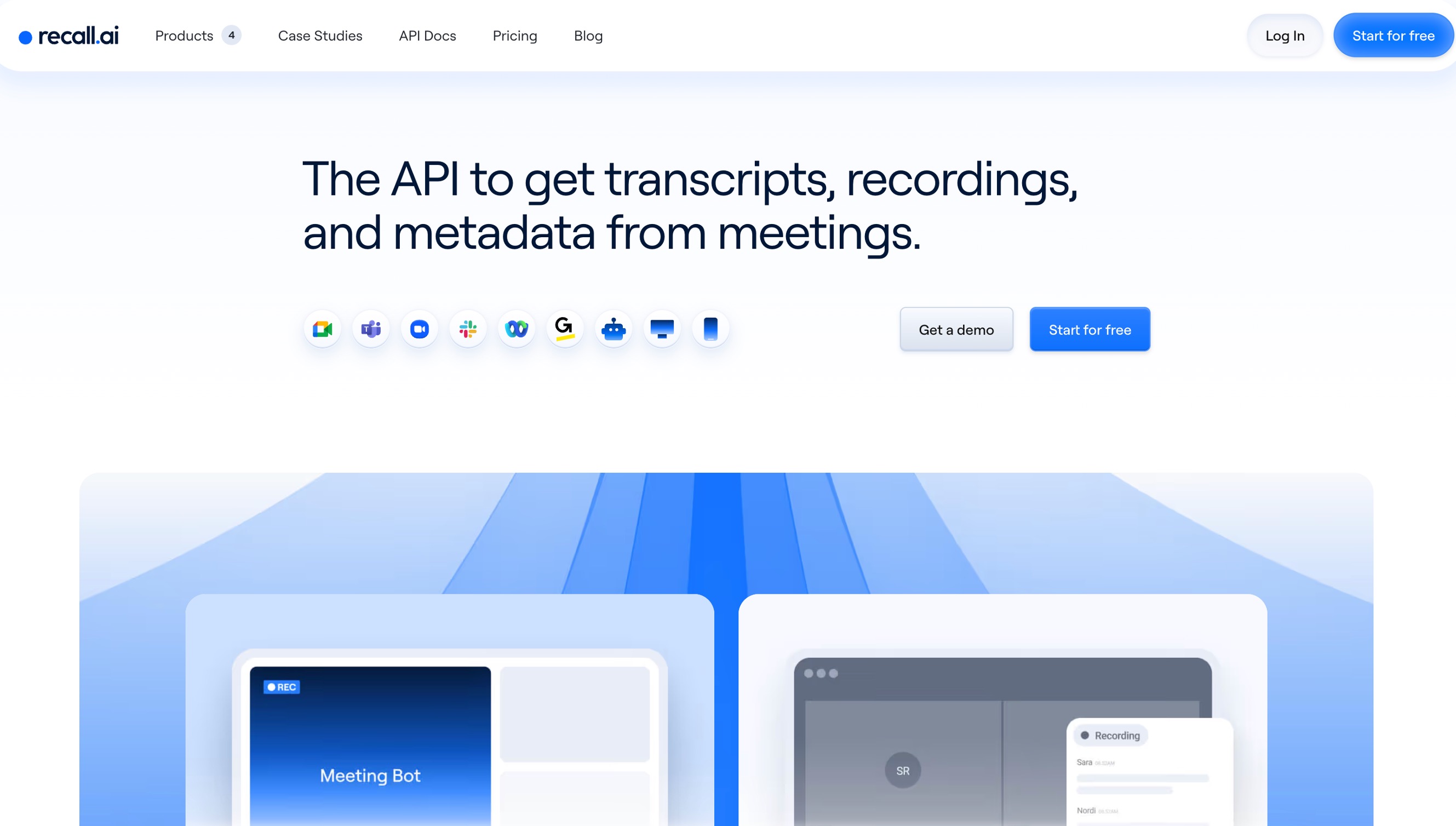
Recall.ai provides infrastructure for capturing and processing conversation data, especially for AI applications involving meetings and communication.
Key Features
- Conversation data collection.
- Meeting memory support.
- Developer APIs.
Pros
- Strong data integration capabilities.
- Useful for enterprise applications.
Cons
- More infrastructure-focused.
- Not designed mainly for personal Claude users.
Pricing
Paid plans based on $0.50/hr of recording.
5. Hindsight
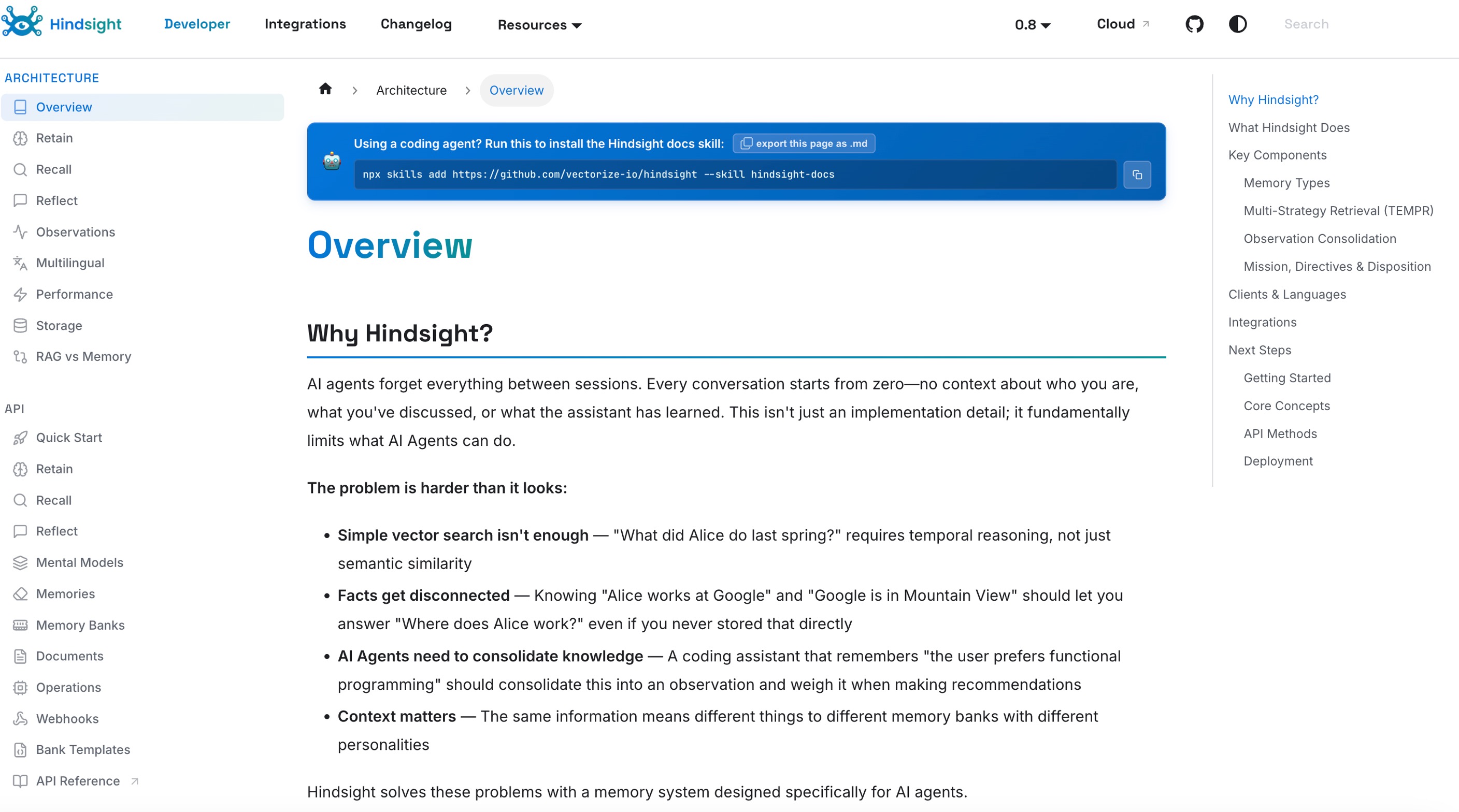
Hindsight focuses on giving AI agents better long-term memory by storing previous interactions and retrieving useful context.
Key Features
- Long-term AI memory.
- Context retrieval.
- Agent-focused architecture.
Pros
- Designed for autonomous AI systems.
- Strong memory concepts.
Cons
- Developer-oriented.
- May require technical implementation.
Pricing
Open source.
6. Claude Projects
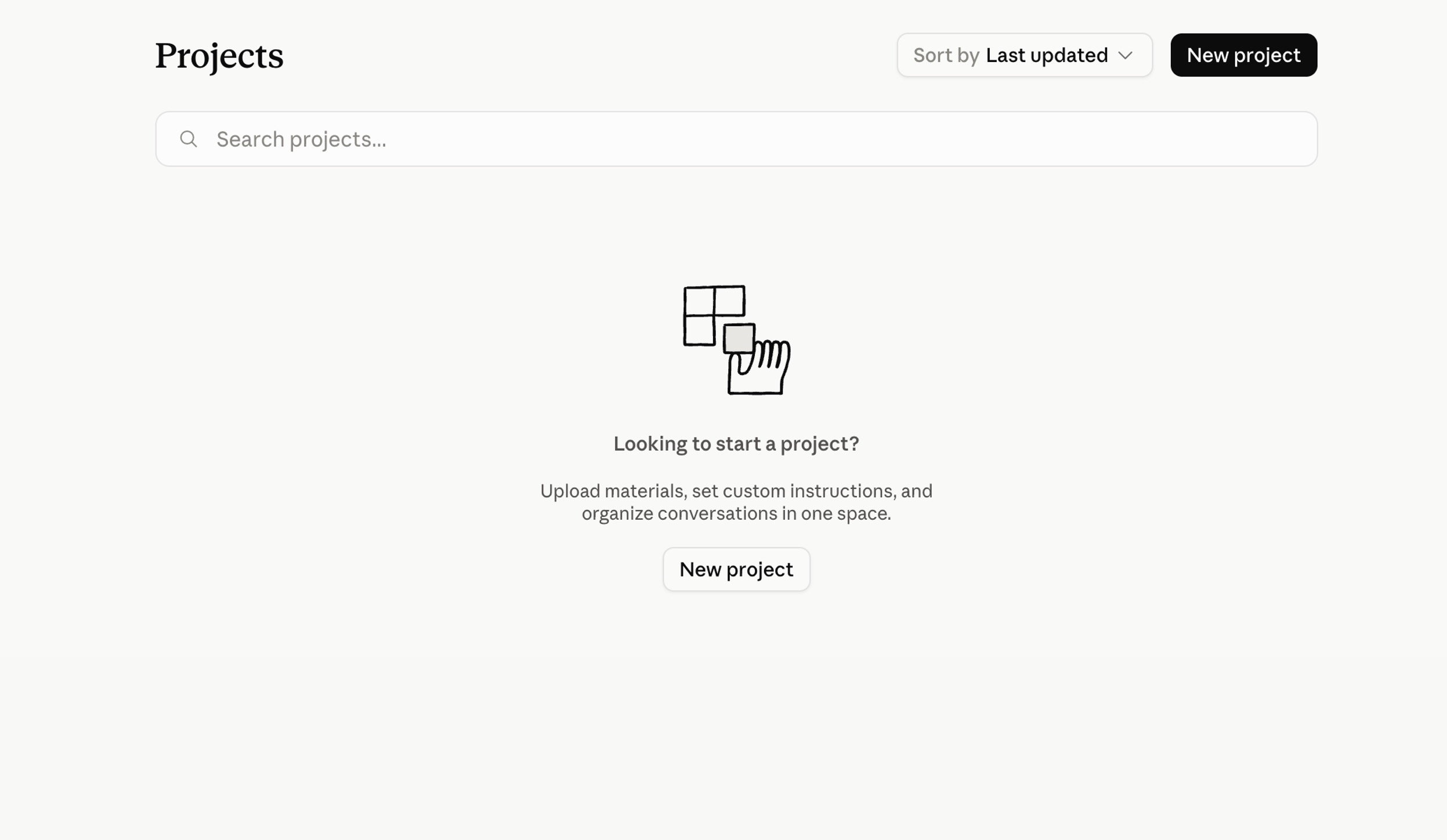
Claude Projects is Anthropic’s built-in solution for organizing conversations around specific topics. Users can upload files and maintain project-specific instructions.
Key Features
- Native Claude integration.
- Project-based context storage.
- File uploads and instructions.
Pros
- No additional tools required.
- Easy for Claude users.
Cons
- Limited long-term personal memory.
- Context is mainly project-based.
Pricing
Available through Claude subscription plans start at $20/month.
7. Redis
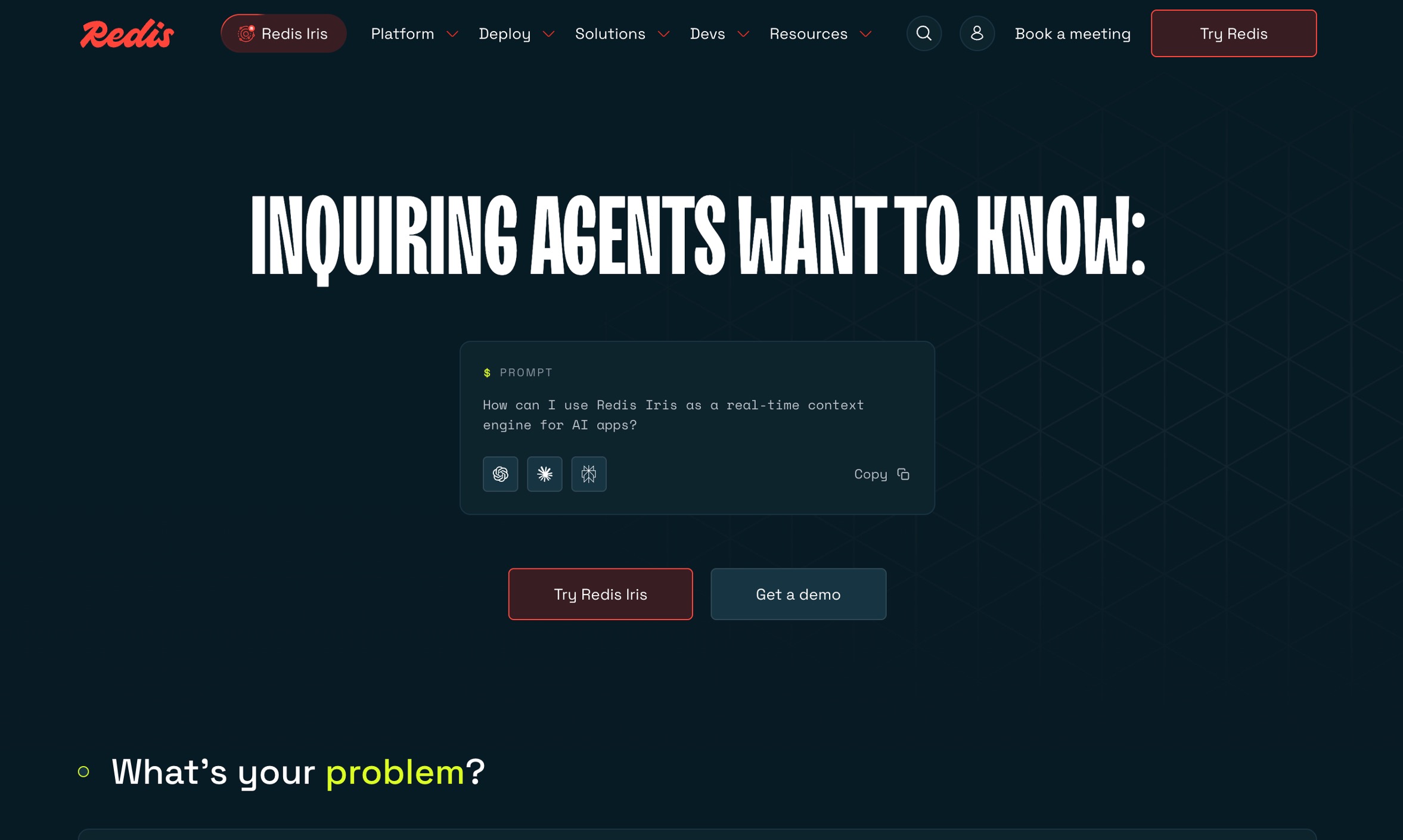
Redis is a high-speed database commonly used by developers to build AI applications requiring fast memory retrieval.
Key Features
- Real-time data storage.
- Vector search capabilities.
- Developer-friendly infrastructure.
Pros
- Extremely fast.
- Highly scalable.
Cons
- Requires technical expertise.
- Not designed as a consumer AI memory product.
Pricing
Usage-based pricing.
8. Pinecone
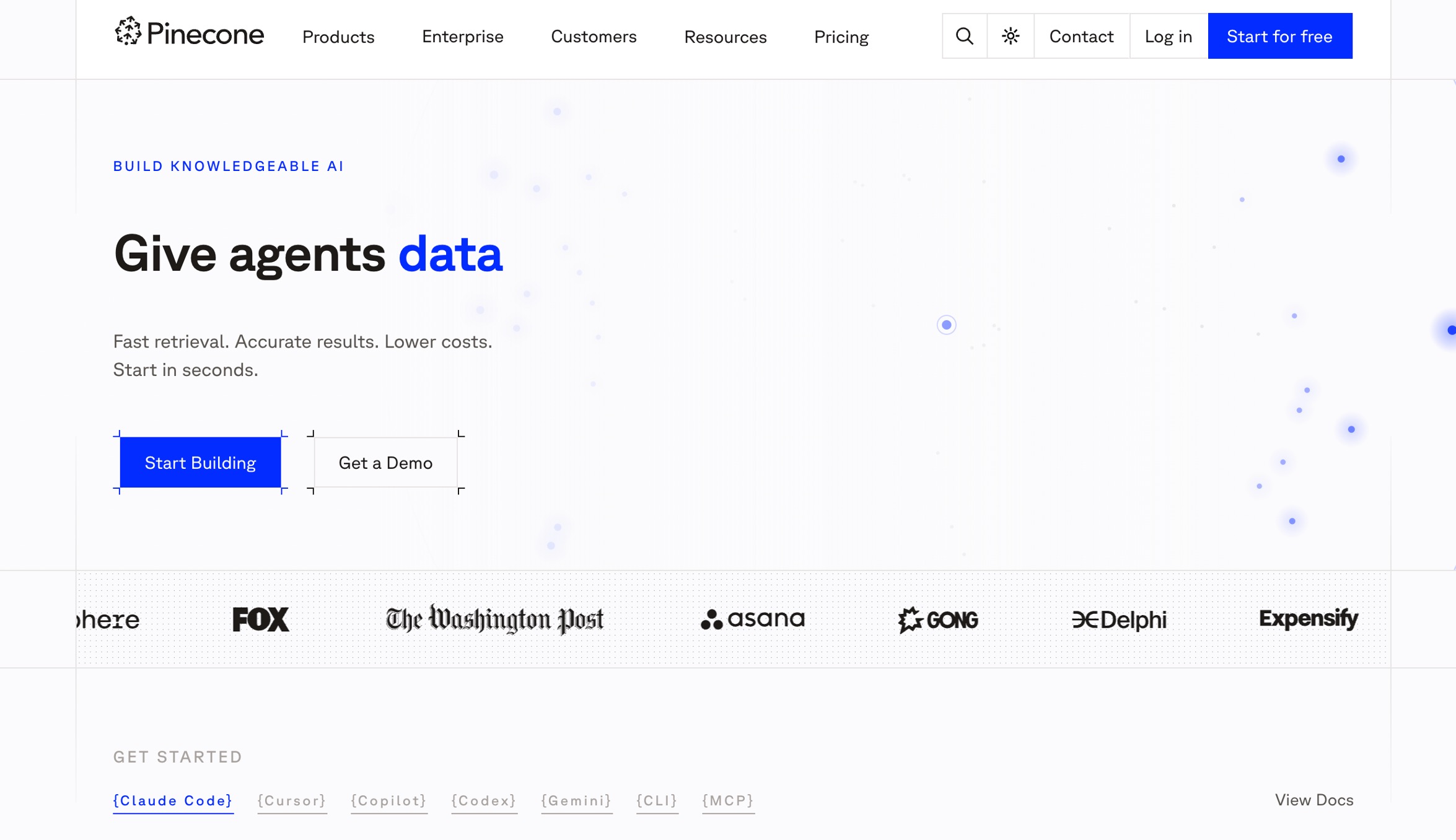
Pinecone is a popular vector database used for AI search and retrieval applications. Developers use it to store embeddings and build semantic memory systems.
Key Features
- Vector database technology.
- Scalable similarity search.
- AI application support.
Pros
- Reliable infrastructure.
- Excellent search performance.
Cons
- Requires development skills.
- Not a ready-made Claude memory solution.
Pricing
Free and paid tiers available, paid plans start at $20/month.
9. HydraDB
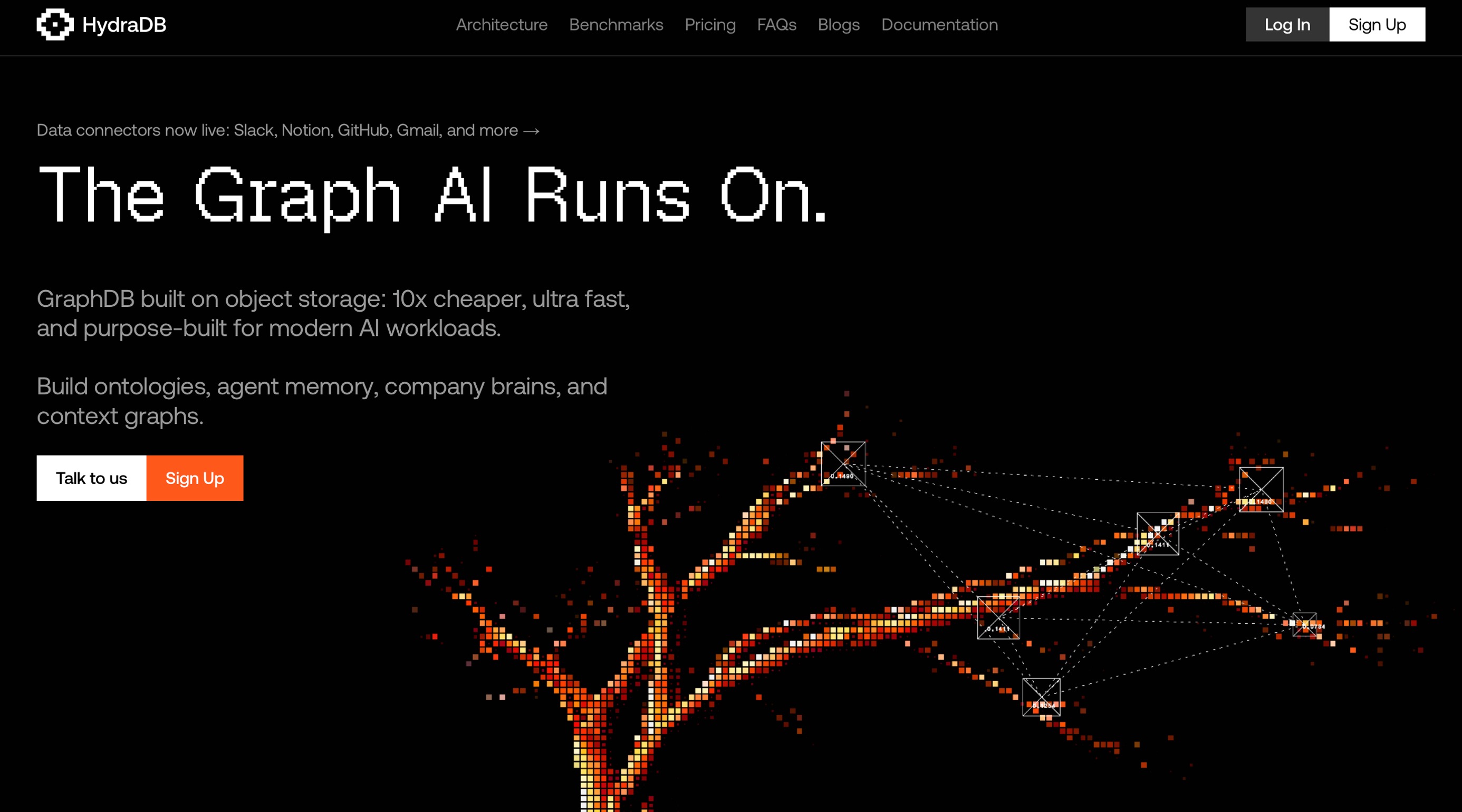
HydraDB is an AI-focused database solution designed for managing complex memory structures in AI applications.
Key Features
- AI data storage.
- Flexible memory architecture.
- Developer integrations.
Pros
- Built for AI workloads.
- Supports advanced applications.
Cons
- Less accessible for general users.
- Smaller ecosystem.
Pricing
Start at $25/month.
10. Zep
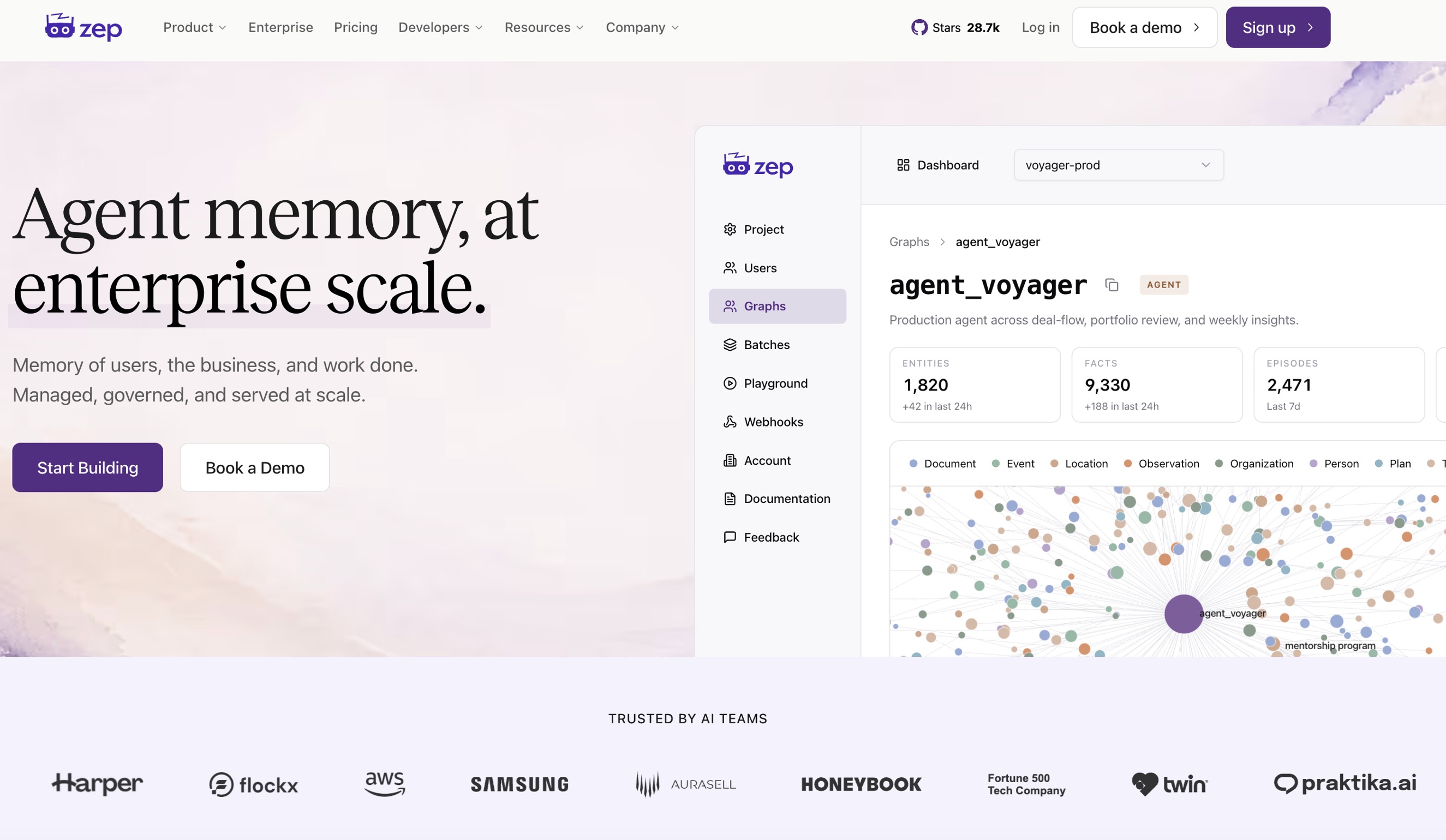
Zep provides memory infrastructure for AI assistants and enterprise applications. It focuses on maintaining user history and improving AI personalization.
Key Features
- Long-term memory storage.
- Conversation history management.
- Enterprise integrations.
Pros
- Strong enterprise focus.
- Developer-friendly APIs.
Cons
- More complex setup.
- May be excessive for personal users.
Pricing
Start at $125/month.
Why Claude Users Need External Memory Tools in 2026
- Claude conversations are often temporary
- External memory ensures important information remains available.
- Users need personalized AI experiences
- Memory allows Claude to understand preferences and habits.
- Repeated explanations waste time
- Persistent memory reduces unnecessary setup.
- AI assistants are becoming long-term partners
- Continuous context improves productivity and collaboration.
How We Evaluated the Best Claude Memory Tools
- Memory capability
- How effectively the tool stores and retrieves user information.
- Claude compatibility
- Whether it works smoothly with Claude workflows.
- Ease of use
- Whether beginners can use it without technical knowledge.
- Scalability
- Whether it supports personal and business needs.
- Value for money
- Whether pricing matches features and performance.
Common Use Cases for Claude Memory Tools
- Personal AI assistants
- Remember preferences, habits, and communication styles.
- Content creation
- Maintain brand voice, writing guidelines, and previous ideas.
- Business workflows
- Store customer information, processes, and project details.
- Research and learning
- Build personal knowledge systems.
- AI agents
- Enable assistants to maintain long-term context.
Which Claude Memory Tool Should You Choose?
- For most Claude users: MemoryLake
- Best balance of simplicity, personalization, and practical AI memory.
- Ideal for users who want Claude to remember important information without technical setup.
- For developers building AI agents: Mem0 or Zep
- These platforms provide powerful APIs and customization options.
- For enterprise AI infrastructure: Redis, Pinecone, or Recall.ai
- Better suited for teams building large-scale AI applications.
- For basic Claude organization: Claude Projects
- Convenient but limited compared with dedicated memory solutions.
- For personal knowledge management: Supermemory
- Useful for organizing information, though not specifically focused on Claude memory.
Overall, MemoryLake is the strongest choice for users who want a practical, user-friendly way to extend Claude’s memory. While developer platforms offer powerful infrastructure, most users need a solution that works immediately and improves everyday AI interactions.
Conclusion
Claude has become one of the most capable AI assistants available, but true personalization requires more than short-term conversation history. External memory tools help Claude understand users better, maintain continuity, and provide more valuable assistance over time.
Among available solutions, MemoryLake stands out as an accessible and effective memory layer built for real-world Claude users. Whether you want Claude to remember your preferences, support ongoing projects, or become a more personalized AI partner, MemoryLake provides a simple way to unlock deeper AI experiences.
Start building a smarter, more personalized Claude workflow with MemoryLake today.